
Start With the Air: What Luxury Hospitality Teaches Us About Aging in Place
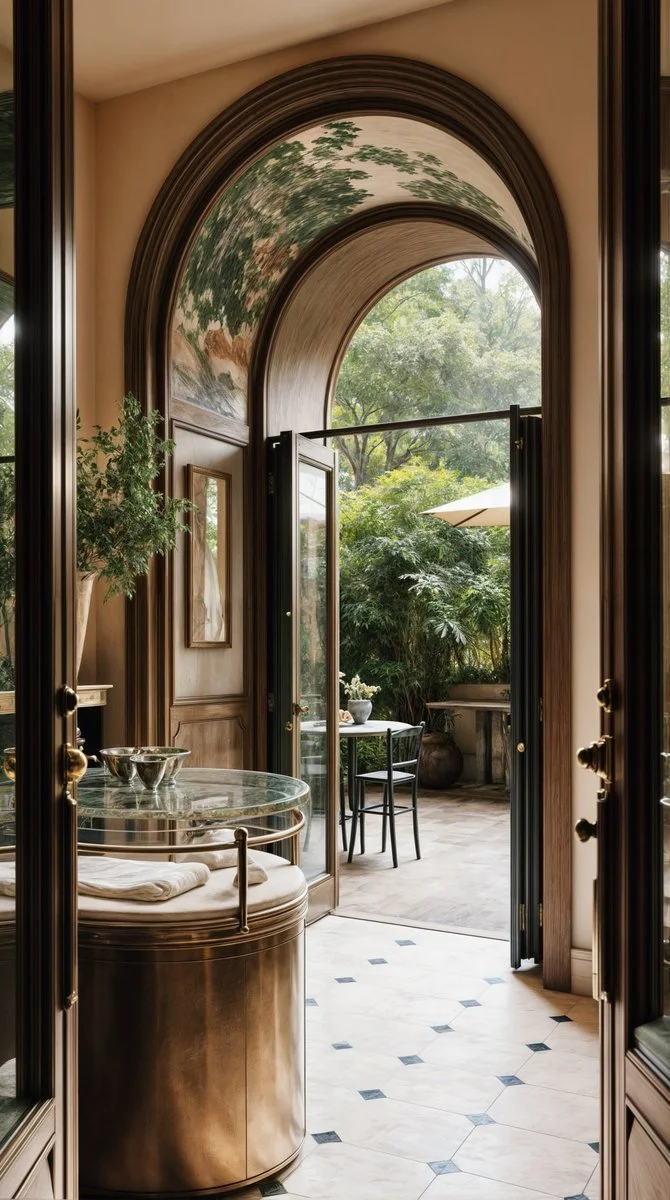
She didn't begin with surfaces. She began with the air. And that, it turns out, is where the difference between a room and a sanctuary — and between a house and a home designed for a long, beautiful life — has always begun.
A story has been circulating that I find myself returning to — an account of a conversation with a longtime housekeeper at the Ritz-Carlton, shared by someone who thought to ask her what the real difference was. Not between a clean room and a dirty one, but between a room that feels like a hotel and one that feels like a destination.
She answered without hesitation.
"Always start with the air."
At the Ritz, she explained, the room is opened wide before the guest arrives. Windows thrown back. Air moving through. The goal is not simply ventilation — it is preparation. A room that has breathed before you enter it receives you differently. Scent, she said, settles on clean air the way perfume settles on clean skin. If the air is stale, nothing else works quite right.
I came across this and found myself stopping. Because it articulates something that the most thoughtfully designed aging-in-place residences understand — and that most renovation conversations, focused on grab bars and wider doorways and accessible kitchens, never quite reach. The way a home smells, breathes, and feels is not incidental to the experience of living in it over decades. It is, in many ways, the experience itself.
Aging in place is, at its most considered, the art of building an environment that continues to feel like a destination — not merely an accommodation. The housekeeper's principles, drawn from the world's most exacting hospitality standard, translate directly into that ambition.
THE FIVE PRINCIPLES — AND WHAT THEY MEAN FOR A HOME BUILT TO LAST
Each principle is simple. None of them require anything expensive. All of them reflect a sensibility about how a space should feel that the most considered residences — at any stage of life, and especially in the stages that matter most — would do well to absorb.
The air. Open the windows before anyone arrives. Let the rooms breathe. Cotton and vanilla aroma sticks in clean, moving air. "Any scent settles on clean air like perfume on skin." Begin here, always.
AGING IN PLACE · THE AIR
For a private residence designed for long-term living, air quality is a legitimate design consideration — not simply an atmospheric one. Proper ventilation, the absence of chemical-heavy cleaning products, and the deliberate introduction of natural scent through essential oils and botanical elements contribute measurably to cognitive clarity and emotional wellbeing. The research on olfactory environment and mood in older adults is consistent: scent is among the most powerful anchors of the sense of home.
The floors. At the Ritz, floors are hand-washed without chlorine. The guiding principle: the smell of cleaning should never be stronger than the smell of freshness. Her recipe — warm water, white vinegar, lemon essential oil, a touch of sandalwood fabric softener — produces what she described as "expensive cleanliness." Not the smell of a cleaned room. The smell of a room that has never needed cleaning.
THE FLOOR RECIPE
Warm water · white vinegar · lemon oil · sandalwood softener
A bucket of warm water. One tablespoon of white vinegar. Three drops of lemon essential oil. A small measure of fabric softener with a sandalwood note. Hand-wash rather than mop. The room should smell of freshness, not of cleaning.
AGING IN PLACE · THE FLOORS
Harsh chemical cleaners are a documented irritant for older adults with respiratory sensitivities — a consideration that the luxury hospitality world solved decades ago. The shift to gentle, fragrance-forward cleaning solutions in a private residence is not merely aesthetic. It is a quiet act of environmental care for the person who lives in it every day.
The bathroom. Sinks rubbed with lemon and baking soda. A few drops of lavender essential oil into the drain — the place, she noted, where most homes quietly fail. "A guest should walk in and think everything here was just built." That freshness is an absence of staleness more than a presence of fragrance. The drain, invisible and decisive, is where it begins.
AGING IN PLACE · THE BATHROOM
The bathroom is the room in any aging-in-place residence that receives the most design attention — and the least sensory attention. Accessibility modifications rightly dominate the conversation. But the housekeeper's principle applies here with particular force: a resident who walks into a bathroom that smells freshly built, that carries the quiet suggestion of a spa rather than a facility, is a resident whose daily relationship with that space is categorically different. Lavender at the drain costs nothing. What it contributes to the experience of the room is considerable.
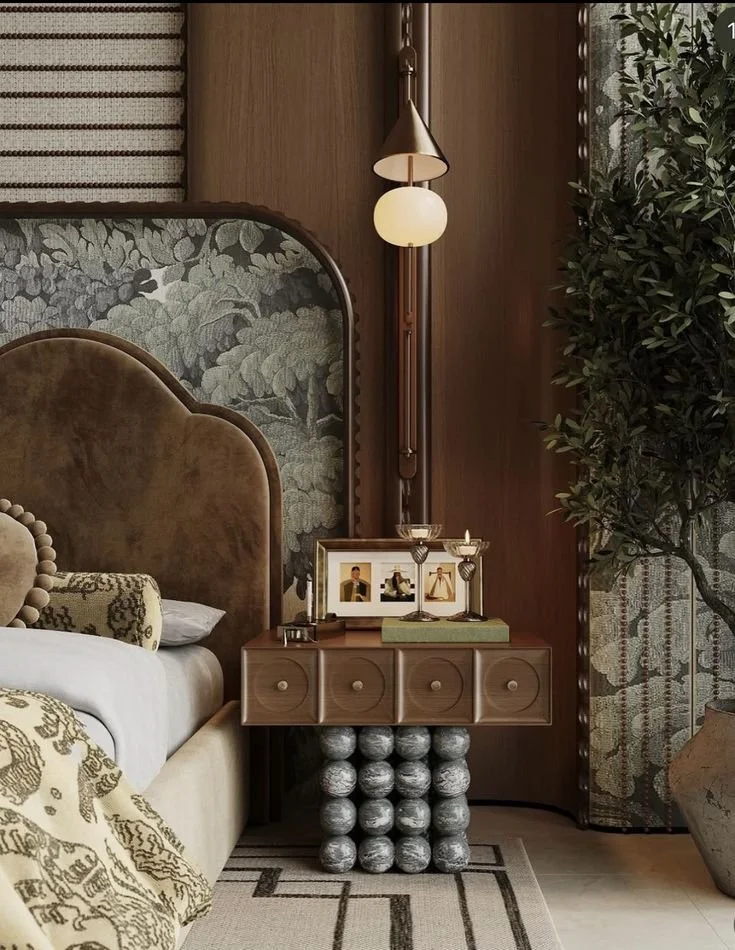
The bedding. This, she said, is the main secret. At the Ritz, bedding is not simply washed — it is prepared. A cap of white vinegar in the wash, a few drops of orange essential oil, steam-ironed without exception, finished with a light mist of rose water and bergamot. The result, in her words: "like falling into a cloud of light perfume." Not scented so much as transformed.
THE BEDDING RITUAL
Vinegar wash · orange oil · steam iron · rose water and bergamot mist
Add a cap of white vinegar and a few drops of orange essential oil to the wash cycle. Steam iron while still slightly warm. Finish with a homemade mist of rose water and bergamot sprayed lightly over the surface before the bed is made. The result is not scented bedding. It is transformed bedding.
AGING IN PLACE · THE BEDDING
Sleep quality is among the most consequential variables in healthy aging — and the sensory environment of the bedroom is among its most significant contributors. A bedroom that smells extraordinary, whose bedding has been prepared rather than simply laundered, whose air carries a signature scent the body has come to associate with rest — this is not an indulgence. It is an investment in the quality of every night spent in it.
The signature scent. Every hotel has its own — a signature guests recognize before they recognize anything else. "Make your own," she said. A drop of perfume on the palm, drawn lightly over the curtains. Invisible on the fabric. Present in every breeze. Guests notice something they cannot name. That, she said, is precisely the point.
AGING IN PLACE · THE SIGNATURE
For a home designed for long-term living, the signature scent is perhaps the most powerful of the five principles. It is the olfactory equivalent of a room that knows who lives in it. The research on scent and memory in older adults is among the most robust in neurological science — familiar scents are among the last anchors of identity and place to remain intact across cognitive change. A home that smells like itself, consistently and with intention, is a home that continues to say: you belong here.
"Luxury is not interiors or furniture. It is when you walk into your home and feel calm, because the air, the bedding, and even the curtains say: you are in your place of strength."
THE SENSORY STANDARD IN AGING IN PLACE
The families I work with spend considerable time thinking about the physical dimensions of aging in place — the accessibility modifications, the care coordination, the real estate decisions that determine whether a home can serve someone well across decades. All of that matters, and all of it is part of the Saar Advisory conversation.
But the housekeeper's principles remind me, every time I return to them, that the most important dimension of a home designed for long-term living is also the least discussed: how it feels to be inside it, every day, for years. The quality of the air. The preparation of the bedding. The signature that greets you at the door and says, without a word, that this place was made for you.
Aging in place, at its most considered, is not about managing decline in a familiar setting. It is about creating an environment so well-designed, so sensory-rich, so deliberately prepared that the life lived inside it continues to feel like a privilege rather than an accommodation.
Start with the air. Everything else follows.
Saar Advisory helps families design and identify living environments — both aging-in-place residences and senior living communities — that hold every dimension of daily life to an uncompromising standard. To speak with Michelle Saar, contact us for a confidential conversation.