
Health Is the New Luxury: What the Longevity Economy Means for Senior Living and Aging in Place
A $40,000-a-year gym membership with a thousand-person waitlist is not a curiosity. It is a signal. Affluent consumers are reallocating how they spend money — permanently — and the built environment is only beginning to catch up.
When Equinox launched its "Optimize by Equinox" membership in 2024 — $40,000 annually for a concierge team of personal trainers, nutrition coaches, sleep specialists, massage therapists, and a dedicated health concierge — the response from the broader market was predictable: a raised eyebrow at the price, and a waiting list of more than 1,000 people. Equinox chairman Harvey Spevak called the demand "insatiable." He described 2025 as a record year and 2026 as poised to be even bigger.
That is not a wellness trend. It is a behavioral signal — one that every luxury real estate advisor, senior living professional, and Family Office advisor should be watching carefully.
What used to happen in a physician's office once a year — bloodwork, hormone panels, metabolic testing — is becoming a lifestyle with its own physical footprint, its own branded real estate, and its own category of annual spending. High-end consumers are no longer spending solely on visible status symbols such as fashion or real estate. Increasingly, they are investing in invisible assets: biomarkers, sleep scores, metabolic efficiency, and perceived longevity. Bank of America has sized the longevity market at $600 billion. The Global Wellness Institute projects the broader wellness market will approach $10 trillion by 2030. These are not soft numbers.
FROM MEMBERSHIP TO RESIDENCE: THE PHYSICAL FOOTPRINT OF LONGEVITY
The most consequential development in this shift is not the membership model. It is what happens when longevity infrastructure moves from a club you belong to into a building you live in.
The Well, the wellness brand that operates clinical membership spaces in New York and other markets, has brought its model directly into residential real estate in Miami. The Well Bay Harbor Islands and The Well Coconut Grove — an eight-story, 194-unit building designed by Arquitectonica — translate the brand's fully programmed wellness lifestyle into a residential community. The Coconut Grove building includes IV therapy, a caldarium, cold plunge pools, hyperbaric chambers, EMS training, and a 13,000-square-foot Wellness Club staffed with specialists in longevity programs. These are not amenities layered onto an existing building. They are the premise of the building.
This is the distinction that matters: wellness as an amenity versus wellness as the architecture. The former gives residents a spa. The latter builds a community around the conviction that the environment you live in should actively extend your healthspan — not merely accommodate your life.
"Wellness as an amenity gives residents a spa. Wellness as architecture builds a community around the conviction that your environment should actively extend your healthspan."
From 2020 to 2025, branded residences in Miami appreciated at a compound annual rate of approximately 12 to 15 percent, compared to 9 to 12 percent for comparable non-branded luxury condominiums. The market is already pricing in the premium. Buyers who understand what they are purchasing — not a home with a gym, but a longevity platform with a residential component — are acting accordingly.
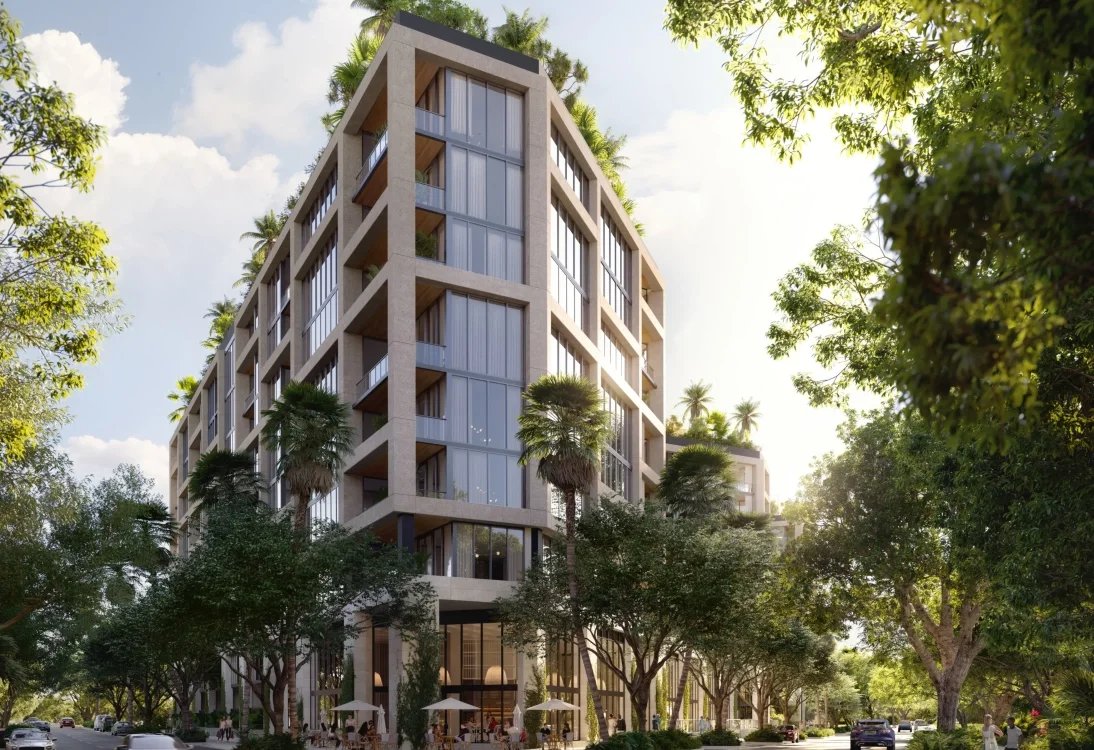
The Well Coconut Grove, Miami
THE HOSPITALITY MARKET IS MOVING FASTER
If residential real estate is beginning to price longevity infrastructure into the building, the hospitality market has already normalized it entirely. The programs now operating at the leading edge are not experimental. They are established, expanding, and fully priced for a UHNW clientele.
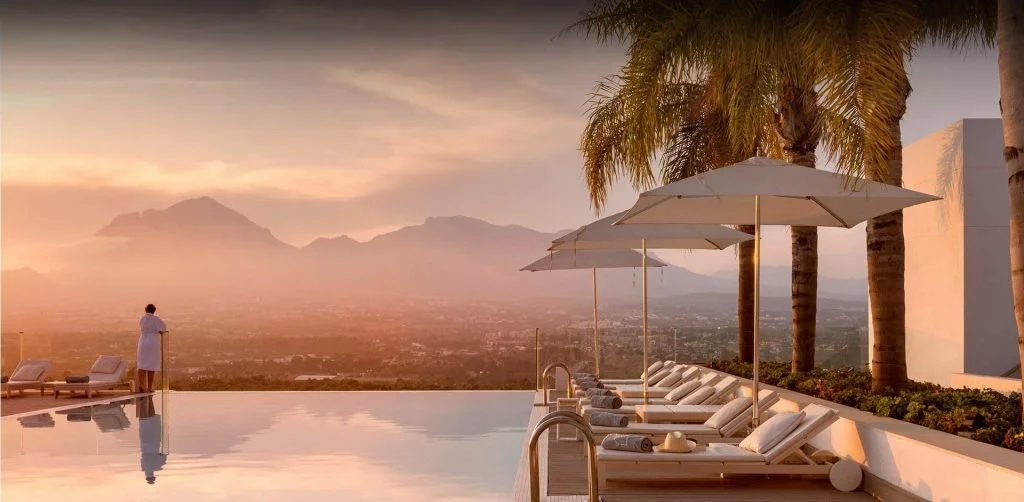
SHA Wellness Clinic, Spain
SPAIN AND MEXICO
SHA Wellness Clinic
The world's leading clinical longevity program, operating in Spain and Mexico with a UAE location opening in Al Jurf between Abu Dhabi and Dubai. Full longevity programs range from $6,000 to $12,000 and above for a week, combining genetic testing, advanced biomarkers, regenerative therapies, and physician-supervised protocols. SHA Mexico was awarded World's Best Longevity Programme 2025 by the World Spa Awards.
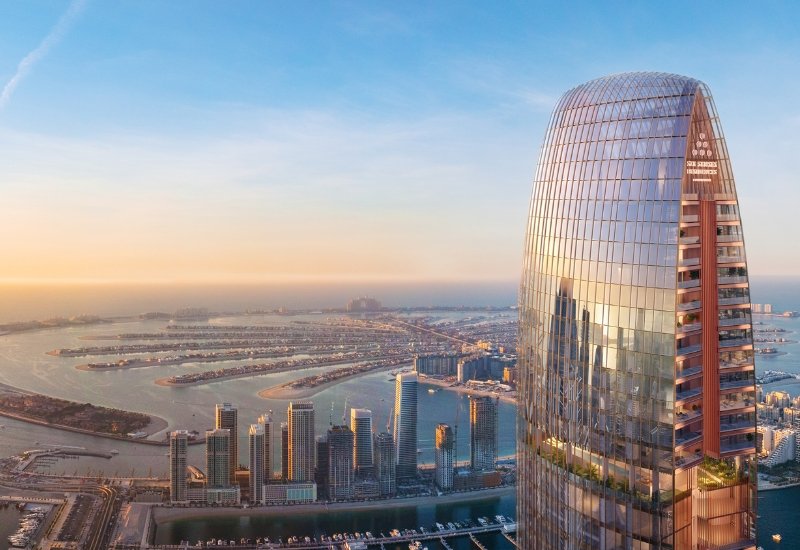
Six Senses The Palm, Dubai
DUBAI
Six Senses The Palm
Six Senses, the hospitality brand that has made longevity programming a signature across its global portfolio, operates The RoseBar longevity program at its Palm Dubai property — combining functional medicine, advanced diagnostics, and bespoke health protocols in one of the world's most ambitious luxury hospitality markets.
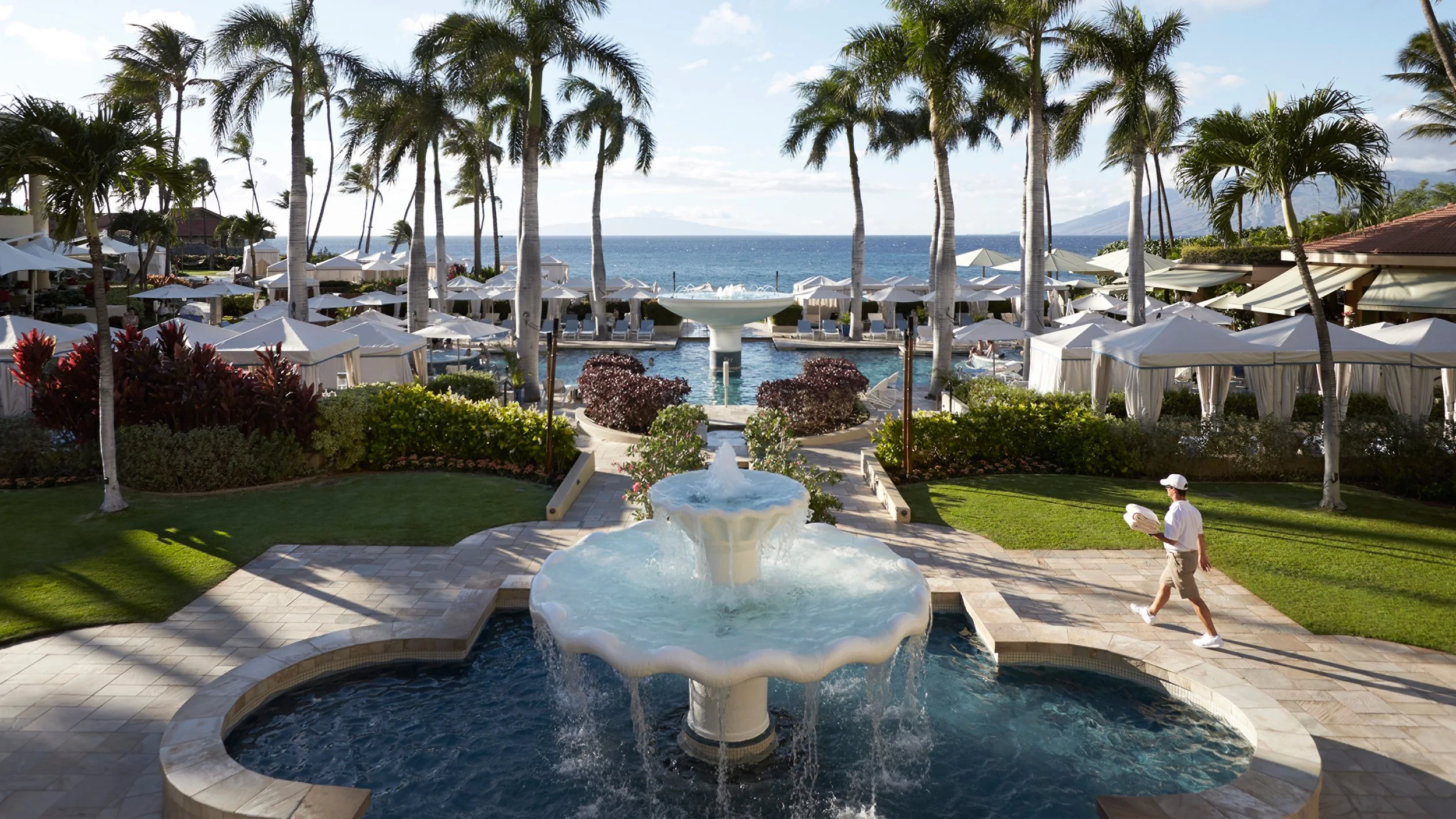
Four Seasons Maui, Hawaii
MAUI HAWAII
Four Seasons Longevity Protocol
The Four Seasons Maui Wailea is now offering a $44,000 Longevity Protocol that includes four days of IV stem cells, exosomes, and ozone therapy — a program the brand hopes to replicate across its U.S. portfolio. When the Four Seasons moves into a category, the category has arrived.
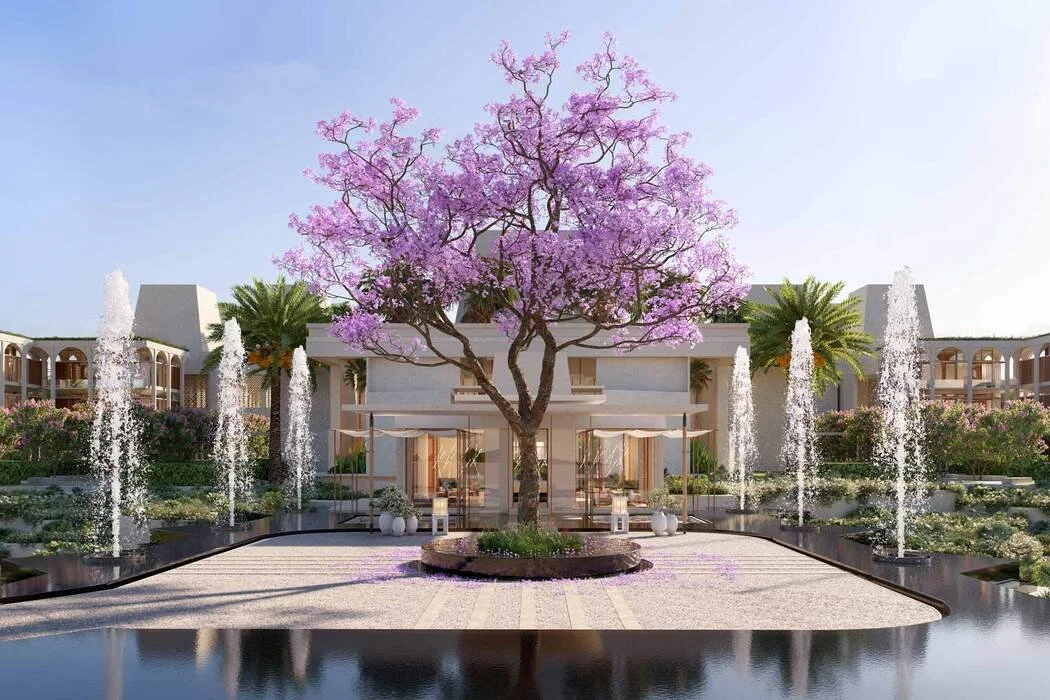
Clinique La Prairie, Amaala
GLOBAL
Clinique La Prairie
The Swiss longevity institution that has operated for decades as the quiet destination of choice for the most discerning global clientele is now expanding — with 50 longevity hubs planned across Dubai, Taipei, Doha, Bangkok, Madrid, and the United States over the next decade. Scarcity is becoming accessibility, carefully managed.
Wellness travel spending has reached $1 trillion — up from $651 billion just two years ago. The velocity of that growth is itself the story. This is not a category gradually gaining mainstream acceptance. It is a category accelerating.
WHAT THIS MEANS FOR SENIOR LIVING
The longevity economy is not parallel to the senior living industry. It is converging with it — and for the families Saar Advisory serves, understanding that convergence is increasingly consequential in every placement and relocation decision.
The affluent individuals now spending $40,000 annually on biological optimization programs are the same individuals — or the parents of the same individuals — who will be evaluating senior living communities in the years ahead. Their expectations are formed by SHA and Six Senses and Equinox, not by the traditional assisted living model. The community that earns their consideration will not simply offer care. It will offer an environment actively designed around longevity — one where the question "what is this building doing for my healthspan?" has a specific, substantive answer.
The most forward-thinking luxury senior living communities are already moving in this direction. Coterie Hudson Yards, whose culinary program partners with Mayo Clinic Wellness Chef Jennifer Welper on the nutritional architecture of every menu, is an early example of what longevity-integrated senior living begins to look like. The communities that will define the next decade of luxury senior living will go further: longevity diagnostics, hormone and metabolic support, biological age testing, personalized wellness protocols developed by medical professionals rather than lifestyle coaches.
FOR FAMILIES EVALUATING COMMUNITIES NOW
The longevity infrastructure of a senior living community is already a meaningful differentiator — and it will become more so rapidly. The questions worth asking in any evaluation: Does the community's wellness program include diagnostics and physician oversight, or is it fitness and spa services under a wellness name? Does the culinary program reflect current nutritional science or institutional catering? Is the community investing in longevity programming, or in the language of longevity without the substance? These distinctions are knowable — and they matter.
THE AGING -IN-PLACE DIMENSION
For clients who are remaining in a private residence — whether an existing home or a purpose-designed aging-in-place environment — the longevity economy has a different but equally significant implication. The infrastructure that supports biological optimization is increasingly available outside of institutional settings: mobile diagnostics, concierge longevity medicine, in-home IV therapy, wearable biomarker monitoring, and telehealth relationships with specialized longevity physicians.
What the Equinox Optimize membership packages into a gym — personal trainer, nutrition coach, sleep specialist, health concierge — can, for a client with the right resources and the right advisory relationships, be assembled as a home-based protocol. The building is not always necessary. The program is.
For families working with us on aging-in-place planning, the conversation about longevity infrastructure — which specialists, which monitoring protocols, which dietary and movement frameworks — is becoming as relevant as the conversation about accessible design and care coordination. The goal, in both cases, is the same: an environment that does not merely accommodate aging, but actively works against it.
A PERMANENT REALLOCATION
The most important thing to understand about the longevity economy is what it is not. It is not a wellness trend that will crest and recede. It is not a luxury novelty for a small segment of early adopters. It represents a permanent reallocation of how wealthy people spend money — a shift from visible status symbols toward invisible assets: biomarkers, sleep scores, metabolic efficiency, and longevity itself.
The waitlist for a $40,000 gym membership tells you something about the present moment. The Four Seasons building a $44,000 four-day protocol tells you something about where hospitality is heading. The Well embedding IV therapy and hyperbaric chambers into the architecture of a residential building in Miami tells you something about where real estate is heading.
And the senior living community that has understood all of this — that has built its program, its dining, its wellness infrastructure, and its medical relationships around the conviction that the residents it serves deserve an environment that extends their healthspan, not merely their comfort — tells you something about where the best of this industry is heading.
That community exists. Finding it, and knowing how to evaluate it, is the work.
Saar Advisory evaluates senior living communities across every dimension of quality — including wellness programming, longevity infrastructure, culinary standards, and care coordination — as part of every placement. To speak with Michelle Saar about a transition, contact us for a confidential conversation.